
 Topamax Weight Loss Effects: Myth or Reality?
Understanding Topamax: Common Uses and Mechanisms
On a clinic morning I watched a patient describe sudden appetite changes after starting Topamax; originally developed for epilepsy, it later gained approvals for migraine prevention and off-label psychiatric uses.
Pharmacologically it modulates voltage‑gated sodium channels and enhances GABAergic activity while inhibiting AMPA/kainate receptors; its carbonic anhydrase inhibition might indirectly alter taste, appetite, or energy regulation in some people too.
Clinicians balance benefits against side effects: cognitive fog, paresthesia, and nausea can accompany therapy, and individual responses vary widely, making personalized monitoring and clear patient education essential from the start.
| Use | Mechanism | Typical dose |
|---|---|---|
| Epilepsy | Na+ channel modulation, GABA | 50–400 mg/day |
How Topamax May Influence Appetite and Metabolism

Starting topamax can feel unexpected: some patients report a diminished appetite and less interest in snacking within weeks. Researchers think the medication alters neurotransmitters involved in reward and satiety, subtly changing how food tastes and how rewarding eating feels.
Beyond appetite, metabolic shifts may occur: topamax appears to affect mitochondrial function and energy use, modestly increasing calorie burning in some studies. These mechanisms are complex and vary by dose, duration, and individual biology, so outcomes can differ widely.
Clinicians advise monitoring weight and nutrition, since reduced intake can lead to nutrient gaps. If concerns arise, gradual dose adjustments or alternative therapies may be considered to balance symptom control with healthy bodyweight and regular follow-up visits.
Clinical Evidence: Studies Linking Topamax to Weight
Clinical trials and observational studies have repeatedly linked topamax to weight change, often showing modest but clinically meaningful loss. Randomized trials in obesity and adjunct studies in epilepsy and migraine report dose‑dependent reductions in weight—commonly in the range of 5–10% over months—while combination therapy with phentermine yields larger average losses. These controlled studies lend credibility to patient reports, indicating an effect beyond chance or lifestyle variation.
However, the evidence is nuanced: many trials are short, use different doses, and exclude patients who discontinue because of adverse effects, which can bias results. Real-world cohort studies confirm weight declines but highlight variability and reversibility after stopping the drug. Physicians therefore weigh demonstrated efficacy against tolerability, using controlled data to guide off‑label use or combination treatments rather than relying on anecdotes alone. Longer randomized trials would clarify durability, long-term safety, and underlying mechanisms.
Side Effects That Could Drive Weight Changes
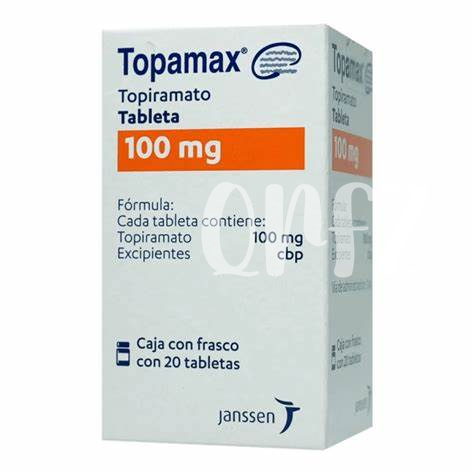
When patients describe unexpected weight shifts, their stories often begin with small, ordinary changes in appetite and taste. topamax can cause nausea, altered taste perception and loss of appetite, which many people link directly to weight loss. Paresthesia, dizziness and gastrointestinal upset may further reduce snacking or meal size. For some, the cognitive dulling and fatigue alter daily routines, making activity levels drop and body composition shift in the opposite direction.
Medical mechanisms matter too: metabolic acidosis and kidney stones, known risks of the drug, can decrease appetite and energy, indirectly contributing to weight loss. Conversely, mood changes, sedation or increased cravings from rebound effects can produce weight gain in others. Clinicians weigh these possibilities, monitoring for concerning declines or increases in weight and adjusting treatment or offering dietary and behavioral strategies to mitigate undesirable changes. Decisions respect patient preference.
Patient Stories Versus Controlled Trials: Real Differences
Anecdotes about dramatic weight change often circulate online, but a single patient’s journey with topamax blends context and complexity. Personal stories capture lifestyle, diet, and mood shifts that trials may not measure, making them compelling but not definitive evidence.
Controlled trials reduce bias with randomized groups and standardized measurements, revealing average effects across populations rather than outliers. Clinicians should weigh both: use trial data for safety and efficacy, and respect patient narratives to tailor care, recognizing that individual responses to medication vary widely and inform personalized monitoring and follow-up plans.
| Source | Strength |
|---|---|
| Anecdote | Individual nuance |
| Trial | Population evidence |
Practical Guidance: Doctors' Advice and Safer Alternatives
Clinicians begin by listening: weight concerns, medical history, and why the medication was prescribed. This clarifies whether observed weight change is medication-related or due to lifestyle, mood, or comorbidities and sets follow-up plans for monitoring.
Decisions balance benefits for seizures or migraine against metabolic effects; dosage adjustments or switching drugs are considered when weight loss or gain is problematic. Shared decision-making includes discussing risks, timelines, and measurable goals and alternatives.
Nonpharmacologic strategies—structured nutrition, activity plans, sleep hygiene, and behavioral support—are recommended alongside any drug changes to address appetite and energy shifts. Referral to dietitians or therapists can personalize plans and improve adherence over several weeks.
Rarely, clinicians may suggest alternatives with less impact on weight or referral to specialists; always consult a prescriber before stopping medication. Keep regular follow-ups, report mood changes, and monitor weight and lab markers. PubMed Mayo Clinic