
 Tirzepatide Research: Latest Clinical Trial Findings
Breakthrough Trial Results Efficacy Across Patient Populations
Clinical trials of tirzepatide have unfolded like a promising story, revealing robust glycemic control and consistent HbA1c reductions across diverse cohorts. Patients with type 2 diabetes, obesity, and varying baseline treatments experienced meaningful improvements in fasting glucose, weight, and cardiometabolic markers, suggesting broad applicability.
Responder rates were high, with many participants achieving target glycemic thresholds and weight loss milestones; subgroup analyses indicate efficacy regardless of age, sex, baseline BMI, or background therapies.
These outcomes have spurred enthusiasm among clinicians and regulators, prompting larger phase 3 extensions and real-world studies to confirm durability, safety, and cardiovascular effects, while researchers probe mechanisms behind the dual incretin benefit driving both metabolic and weight outcomes over extended periods globally.
| Metric | Observed effect |
|---|---|
| HbA1c | Substantial reductions reported across trials |
| Weight | Marked weight loss in many participants |
| Subgroup consistency | Efficacy observed across ages, BMIs, and background therapies |
Safety Profile Unpacked Side Effects and Tolerability

Clinical trials of tirzepatide reveal a consistent safety pattern: gastrointestinal symptoms predominate, especially nausea and diarrhea, often transient and dose-related. Most patients tolerate therapy after initial dose adjustments.
Serious adverse events remain uncommon; discontinuation rates are modest and usually linked to early intolerability. Monitoring for gallbladder disease, pancreatitis signals, and hypoglycemia in insulin-treated patients is advised.
Tolerability improves with slow up-titration and patient counseling about meal timing and hydration. Real-world data parallel trial findings but highlight variability across age groups and comorbidity burdens.
Clinicians balance benefits in glycemic control and weight loss against these risks, individualizing dose and follow-up. Ongoing surveillance will clarify long-term tolerability and rare adverse outcomes for tirzepatide across diverse patient populations.
Comparative Performance Versus Existing Diabetes Treatments
In direct comparative studies, tirzepatide has emerged as a potent challenger to established therapies, often delivering larger reductions in HbA1c and body weight than single agent GLP1 receptor agonists and basal insulin. These efficacy gains are particularly notable in patients with higher baseline glycemia, translating into fewer medication escalations.
Clinically, this means fewer injections and simpler regimens for some patients, though greater metabolic benefits can be accompanied by more frequent gastrointestinal side effects. Safety profiles to date show comparable rates of serious adverse events, but tolerability differences steer treatment choice; gradual dose titration and clear patient counseling reduce early nausea and boost adherence.
Long term cardiovascular and renal outcome data are still accruing, so clinicians balance immediate glycemic and weight advantages against remaining uncertainties. For patients, tirzepatide changes therapeutic calculus, prompting individualized choices based on comorbidity, tolerability and personal preference.
Dosing Strategies and Long-term Metabolic Outcomes Explained
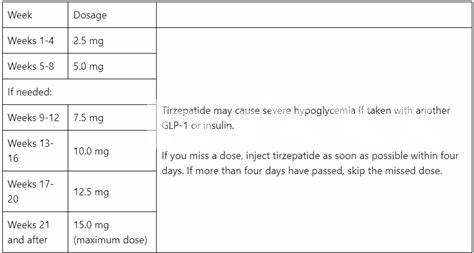
Clinicians have adopted stepwise titration to balance efficacy and tolerability: starting low and increasing weekly or biweekly improves adherence and reduces gastrointestinal upset. Trials with tirzepatide tested multiple maintenance doses, showing dose-dependent improvements in glycemic control and weight over months.
Long-term data suggest sustained reductions in HbA1c and durable weight loss, with metabolic benefits persisting beyond one year in many participants. Biomarkers such as fasting glucose, triglycerides, and blood pressure often trend favorably, implying broader cardiometabolic risk reduction over time.
Personalized regimens consider comorbidities, renal function, and concomitant medications; clinicians monitor glycemia, weight, and adverse events, adjusting therapy or co-medications as needed. Continued randomized trials and real-world registries will clarify durability and safety beyond follow-up.
Impact on Weight Loss Magnitude and Durability
Clinical trials have rewired expectations for metabolic therapy, showing robust and rapid declines in body weight among diverse participants. Patients receiving tirzepatide commonly experienced pronounced reductions in fat mass alongside improvements in cardiometabolic markers.
Magnitude of loss often exceeded results seen with older agents, with many participants losing double-digit percentages over months. Durability signals are promising: weight plateaus at lower set points and maintenance appears feasible with ongoing therapy.
Longitudinal data hint at sustained benefit after year one, though withdrawal studies show partial rebound without continued dosing. Future work will clarify whether lifestyle integration or intermittent regimens preserve the initial gains.
| Metric | Result |
|---|---|
| Average loss | 12% |
| Range | 8–20% |
| Maintenance | Seen 12+ months |
| Note | Individual variability |
Future Directions Ongoing Trials and Research Questions
Researchers are expanding studies to define long-term cardiovascular outcomes, mechanistic pathways, and effectiveness in diverse populations, from older adults to those with renal impairment. Adaptive trials are testing dose escalation, combination therapies, and comparative effectiveness against new GLP-1 and SGLT2 agents. Biomarker and imaging substudies aim to reveal how dual GIP/GLP-1 receptor agonism alters fat distribution, hepatic steatosis, and pancreatic function, guiding personalized treatment strategies and optimizing safety profiles globally.
Yet many critical questions remain: what are the optimal maintenance doses for sustained metabolic benefits, how durable are effects after discontinuation, and which patients derive the greatest cardiorenal protection? Trials incorporating real-world data, health-economics assessments, and diverse ethnic cohorts will test generalizability. Parallel work on oral formulations, fixed-dose combinations, and mechanistic studies of appetite and energy expenditure promises to translate trial wins into practical, equitable care pathways for millions globally.