
 Stopping Prelone Safely: Tapering Strategies
Why Slow Tapering Matters for Your Health
Coming off steroids can feel like stepping into uncertain weather; a patient eased anxiety by reducing doses slowly, giving the body time to restart natural hormone production. Gradual change cuts the risk of severe withdrawal and prevents inflammatory flare-ups that can otherwise set recovery back.
Working at a measured pace also helps clinicians spot lingering adrenal suppression early and tailor support, including temporary hydrocortisone if needed. Patients often find symptoms manageable when reductions are predictable, which preserves quality of life and fosters confidence during a slow, guided return to baseline health.
| Benefit | Why it helps |
|---|---|
| Reduced withdrawal | Allows gradual HPA axis recovery |
| Fewer flare-ups | Prevents sudden rebound inflammation |
Recognizing Withdrawal Symptoms and When to Act

I recall tapering off prelone and waking each morning unsure whether stiffness or anxiety was withdrawal or stress. Keeping a symptom diary and noting onset, intensity and triggers made patterns obvious. That record became my early warning system for when to contact my clinician.
Common signs include fatigue, dizziness, nausea, mood swings and joint pains; severe symptoms like fainting or rapid weight loss need immediate evaluation. Gradual escalation or new neurological signs should prompt urgent medical review rather than self-management at home.
Work closely with your prescriber: share the diary, ask about lab monitoring and cortisol testing if symptoms persist, and discuss pacing dose reductions. Timely communication reduces risk and supports a safer, more comfortable recovery.
Working with Your Doctor: Personalized Taper Plans
At the appointment you and your clinician map out a taper that fits your medical history, dose and length of prelone use, and daily routine. The doctor will consider past flares, other medications and underlying conditions, order labs if needed, and explain why a gradual reduction reduces risk of adrenal insufficiency. Expect a clear timeline, checkpoints and instructions for slippage or acute symptoms.
A personalized plan also includes monitoring: keeping a symptom diary, agreed signals for calling the clinic, and flexibility to slow the taper if withdrawal or disease flare appears. Your physician can provide rescue strategies, short courses if required, and arrange follow‑up visits or tests. Partnering with your care team, asking questions and reporting changes promptly makes tapering safer and less stressful. Medication adjustments may be slower during illness or travel, and mental health support is often helpful.
Stepwise Dose Reductions: Practical Schedules That Work
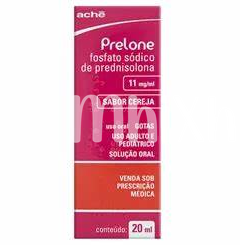
Start with small, predictable cuts and imagine the dose shrinking like steps rather than a leap. For prelone many people find 5–10% reductions every one to two weeks can minimize shocks, but schedules should adapt to symptoms and lab results under clinician guidance.
Practical schedules use consistent pill-splitting or pharmacy compounding to keep each step reliable. Track sleep, mood, energy and any return of original disease; pause or slow the taper if withdrawals appear. Clear records help you and your doctor choose safe next steps and avoid abrupt setbacks quickly.
Managing Flare-ups, Stress, and Adrenal Support
When flare ups hit, breathe and remember recovery is gradual; one patient on prelone found steady progress through small daily habits.
Scale back activity during flares, use brief pain strategies, and track symptoms so you can tell your clinician when adjustments are necessary.
| Tip | Purpose |
|---|---|
| Rest | Conserve energy |
Nourish sleep, gentle exercise, and hydration support adrenal recovery; ask about cortisol testing and consider mind body practices to lower stress while tapering to reduce relapse risk. work closely with your prescriber. for safer outcomes. today
Lifestyle Measures to Ease Withdrawal and Recovery
When tapering off steroids, small daily rituals become anchors: consistent sleep, balanced meals high in protein and quality carbohydrates, regular hydration and gentle movement help stabilize energy and mood. Prioritize short walks, stretching, and pacing activity to avoid post-exertional crashes. Mind‑body practices — deep breathing, progressive muscle relaxation, brief meditation — lower stress hormones and ease anxiety, while a simple sleep routine supports circadian rhythm and recovery.
Track symptoms and medications in a daily journal so you and your clinician can spot patterns and adjust the taper. Nourishing meals, modest salt when advised, sun exposure and gradual strengthening rebuild resilience. Seek social support, set realistic expectations, and use occupational or physical therapy if daily tasks remain hard. Patience, clear communication with your provider, and flexible pacing often make recovery steadier and reduce the risk of setbacks. Also prioritize daily rest. DailyMed - Prelone NHS: Prednisolone