
 Oseltamivir Vs. Common Flu Remedies: What to Choose?
Understanding the Role of Oseltamivir in Flu Treatment
Oseltamivir, commonly known by its brand name Tamiflu, has revolutionized flu treatment since its introduction. As an antiviral medication, it specifically targets the influenza virus, shortening the duration of symptoms and reducing complications when taken within 48 hours of symptom onset. Uniquely, oseltamivir doesn't cure the flu but rather aids the body's immune response by inhibiting the neuraminidase enzyme, crucial for viral replication. This makes it particularly beneficial for high-risk populations, such as the elderly, young children, and those with chronic health conditions.
| Role of Oseltamivir | Description |
|---|---|
| Mechanism of Action | Inhibits neuraminidase enzyme to prevent viral replication. |
| Usage Timing | Most effective when administered within 48 hours of symptom onset. |
While its targeted mechanism provides specific benefits, it's important to understand that oseltamivir isn't a substitute for an annual flu vaccine. Instead, it serves as an important tool in comprehensive flu management, especially for those susceptible to severe illness.
Benefits and Limitations of Oseltamivir for Patients
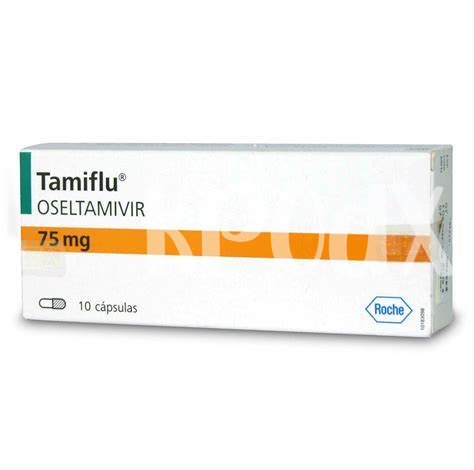
Oseltamivir, an antiviral medication, specifically targets the influenza virus, offering a targeted approach to flu treatment. One of the notable benefits for patients is its ability to reduce flu symptoms' duration when taken promptly, typically within the first 48 hours of onset. Many users report a decrease in symptom severity, which can lead to quicker recovery and reduced downtime from daily activities.
However, oseltamivir isn't without its limitations. It requires a prescription, meaning timely access can be a hurdle for some. Furthermore, its effectiveness largely depends on the timing of administration; delays can significantly reduce its impact. Patients may also experience side effects like nausea and headaches, which need consideration.
Exploring Popular Over-the-counter Flu Remedies
Amid the aisles of pharmacies, a plethora of over-the-counter flu remedies vie for attention. These remedies, ranging from decongestants and antihistamines to fever reducers and cough suppressants, attempt to alleviate the varied symptoms the flu presents. Unlike oseltamivir, which targets the flu virus itself to reduce the duration and severity of the illness, these medications primarily focus on symptom management.
Herbal and natural supplements, such as echinacea and elderberry, are increasingly popular alternatives. While some swear by their efficacy, scientific backing remains limited, and these should be used with caution, especially when mixing with other medications. The advantage of these remedies lies in their accessibility and immediate relief for minor symptoms, offering comfort despite not addressing the viral cause as oseltamivir does.
For those contending with the flu, the effectiveness of remedies can greatly vary. Factors like the severity and specific symptoms influence the choice between quick symptom relief or a more targeted viral approach. Navigating these aisles is a balance between managing symptoms and understanding that products like oseltamivir might be necessary for a faster recovery from the flu's grip.
Comparing Effectiveness: Prescription Vs. Home Treatments

When it comes to battling the flu, the choice between oseltamivir, a prescription antiviral, and over-the-counter remedies can significantly impact recovery. Oseltamivir, commonly known as Tamiflu, offers a direct assault on the influenza virus, potentially shortening the illness by one to two days and lessening symptom severity. In contrast, home treatments like herbal teas, vitamin C, and rest mainly provide symptomatic relief. While these remedies offer comfort and are easier to access, they don't target the virus directly.
Considering effectiveness, oseltamivir can reduce complications like pneumonia and expedite return to normal activities when taken within the first 48 hours of symptom onset. However, it often requires a physician's consultation and prescription, posing an accessibility challenge for some. On the other hand, over-the-counter options provide immediate relief for symptoms like fever and congestion, making them a go-to for many at the onset of discomfort. These remedies' effectiveness varies widely based on individual response and severity of infection.
Deciding between oseltamivir and common flu remedies depends on factors such as availability, treatment goals, and individual health conditions. While oseltamivir offers an evidence-backed antiviral approach, it may not be suitable for everyone. Assessing the flu's severity and individual health risks is crucial. Over-the-counter remedies, while not curative, can be more convenient and should be considered if the symptoms are mild and manageable. Balancing rapid antiviral intervention with supportive home therapies could offer a comprehensive strategy for flu recovery.
Side Effects and Safety Precautions to Consider
When considering flu treatments, it's essential to understand the side effects that may arise. Oseltamivir, a widely used antiviral, can cause nausea, vomiting, and headaches in some patients. However, these side effects are usually mild and manageable. In contrast, over-the-counter remedies might not have significant side effects, but their efficacy in tackling flu symptoms can vary.
| Treatment | Possible Side Effects |
|---|---|
| Oseltamivir | Nausea, vomiting, headache |
| OTC Remedies | Varies, often mild |
Safety is paramount, so patients with pre-existing conditions should exercise caution when choosing between oseltamivir and other treatments. Consultations with healthcare providers can ensure that patient-specific factors are considered. Developing a personalized flu treatment plan not only addresses immediate symptoms but also minimizes potential side effects, ensuring a smoother path to recovery.
Making an Informed Choice for Your Flu Symptoms
Navigating through flu treatments requires balancing effectiveness and personal health needs. Oseltamivir is often prescribed for its ability to diminish flu symptoms and potentially shorten illness duration. However, it's crucial to understand its best application, typically within 48 hours of symptom onset. This timing could influence the decision to use oseltamivir or seek alternatives.
Alternatively, common flu remedies can offer relief but may lack the antiviral properties oseltamivir provides. Over-the-counter options like decongestants and pain relievers can manage symptoms but won't alter the course of the flu virus. This understanding is fundamental when weighing treatment routes.
Before deciding, consider potential side effects and individual health conditions. Oseltamivir can cause nausea, or headache, while some OTC remedies might interfere with existing medications. Always consult a healthcare professional when in doubt.
Ultimately, the choice between prescription and home treatments should be informed by symptom severity, medical history, and the latest medical guidance. Evaluating these factors can guide the journey to recovery while ensuring safety and effectiveness in treatment. Learn more from reputable sources like the Centers for Disease Control and Prevention and the National Library of Medicine.