
 Mefloquine Vs. Other Antimalarials: Pros and Cons
How Mefloquine Works Compared with Alternatives
Standing at the crossroads between old quinolines and modern combinations, mefloquine operates primarily within red blood cells, disrupting the parasite’s ability to neutralize toxic heme and destabilizing parasite membranes; its precise molecular target remains incompletely defined. By contrast, artemisinins produce rapid oxidative damage to multiple parasite components, atovaquone inhibits mitochondrial electron transport, and proguanil or doxycycline block nucleotide or protein synthesis respectively, reflecting different speeds and spectra of parasite killing.
These mechanistic differences shape clinical choices: mefloquine’s long half‑life offers weekly dosing for prophylaxis and prolonged post‑exposure activity but also prolongs adverse effects, while fast-acting artemisinin combinations rapidly reduce high parasite burdens and lower transmission. Drugs targeting liver stages or gametocytes are selected when relapse or blocking spread matters. Understanding modes of action helps clinicians match pharmacokinetics, resistance risks, and safety profiles to patient needs, travel contexts and individual circumstances.
| Drug | Primary action |
|---|---|
| Mefloquine | Disrupts heme detoxification; membrane effects |
| Artemisinin | Rapid oxidative damage to parasite |
| Atovaquone‑proguanil | Mitochondrial inhibition; DHFR interference |
| Doxycycline | Inhibits protein synthesis |
Effectiveness Against Resistant Malaria Strains Worldwide
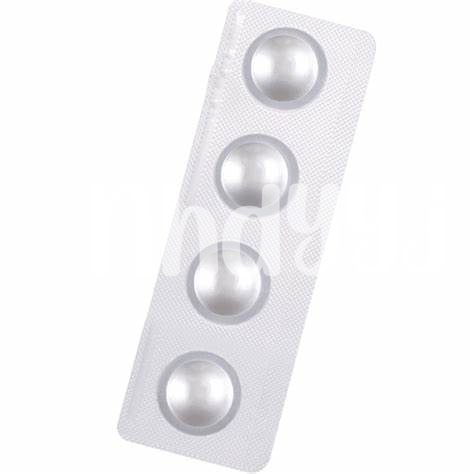
Across regions, mefloquine has sometimes been effective when older drugs fail; travelers still know it as lariam. Its long half‑life offers prolonged protection but also creates selective pressure. In parts of Southeast Asia, clinical failures prompted policy changes.
Resistance patterns differ: chloroquine failure is widespread, sulfadoxine‑pyrimethamine works variably, and mefloquine resistance has emerged in areas of heavy use. Combining drugs, notably artemisinin‑based therapies, slows resistance and preserves treatment options.
For clinicians and travelers, choices should follow current regional resistance maps. Where mefloquine remains useful, weekly dosing is convenient, but adverse effects and local resistance may make alternatives preferable. Continued surveillance and tailored prescribing protect individuals and public health. Decisions should balance efficacy, safety, and access.
Side Effect Profiles Neurological Psychiatric and Physical
Travelers often weigh risks versus benefits, imagining serene beaches or risky jungles. Mefloquine, sold as lariam, carries a reputation shaped by vivid patient stories and clinical reports over many years.
Neurological complaints range from dizziness and balance problems to rare seizures; many resolve after stopping medication, but some individuals report persistent symptoms that prompt alternative prophylaxis choices thereafter.
Psychiatric effects—anxiety, vivid dreams, mood swings and rarely psychosis—have been documented. Clinicians advise screening for mental health vulnerabilities before prescribing and monitoring closely during travel and after return.
Physical adverse events include gastrointestinal upset, headache and rarely cardiac conduction changes; travelers should report palpitations or fainting. Shared decision-making balances malaria risk with these potential harms and alternatives.
Dosing Convenience Cost Accessibility for Travelers
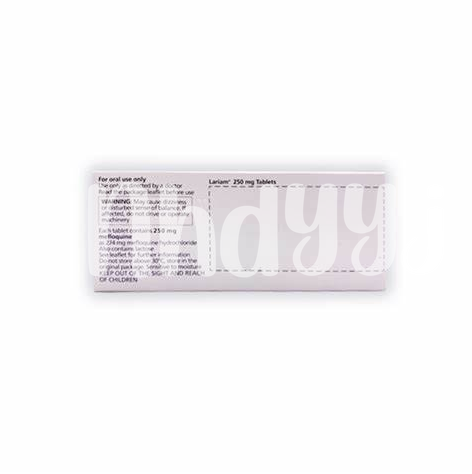
For many travelers, dosing convenience shapes medication choice. Mefloquine (commonly marketed as lariam) is taken weekly, which appeals to backpackers and long-term travelers; alternatives like doxycycline require daily dosing, and atovaquone–proguanil is also daily but shorter post-travel continuation. Weekly dosing reduces pill fatigue and missed doses, yet a single weekly tablet can feel heavier emotionally when side effects appear.
Cost and access vary widely: generics lower price, brand names and imported formulations cost more. Travel clinics stock a range, but availability at local pharmacies depends on region and demand. Online ordering helps but requires prescriptions and attention to authenticity.
Practical tips: start prophylaxis before departure, carry a copy of the prescription, and factor in duration after return. Balance convenience, budget, and personal tolerability when choosing, and consult a travel medicine specialist for tailored advice. Plan early to avoid last-minute issues.
Safety in Pregnancy Pediatrics and Special Populations
Pregnancy raises clear stakes: data on mefloquine (labeled as lariam) suggest potential risks but also important protective benefit where malaria risk is high. Clinicians weigh maternal exposure against fetal risk, preferring alternatives when safe, yet sometimes recommending mefloquine for life‑threatening exposure.
Pediatric decisions emphasize age, weight and developmental vulnerability. For infants and young children dosing must be precise; adverse neurological or behavioral effects demand close monitoring. In some regions alternatives with longer safety records are prioritized, but practical constraints can push clinicians to use mefloquine under strict oversight.
Special populations — travelers, immunocompromised patients and the elderly — require individualized plans balancing efficacy, comorbidity interactions and access. Shared decision making, up-to-date guidelines and clear documentation reduce harm and improve outcomes.
| Group | Advice |
|---|---|
| Pregnancy | Prefer safer alternatives |
| Children | Dose by weight, monitor closely |
Making the Choice Guidelines Evidence and Practical Advice
Choosing an antimalarial blends destination risk, resistance data, and personal health. Consider mefloquine’s weekly dosing and strong efficacy in some regions against daily options, balanced against its unique side‑effect profile.
Use official guidance and current resistance maps from health agencies, and review individual risks like pregnancy, psychiatric history, and childhood dosing. Shared decision‑making with a clinician improves safety and adherence.
Practical steps include starting prophylaxis before travel, adhering to schedules, reporting adverse events promptly, and carrying documentation. Reassess choice after travel or if plans change with your clinician every time. CDC — Antimalarial Drugs FDA — Lariam (mefloquine) label