 Furosemide Myths Debunked: Common Misconceptions Explained
Is Furosemide Always Dangerous for Your Kidneys?
I once watched a patient fearfully clutch a pill bottle while asking if that single diuretic could ruin their kidneys. The truth is more nuanced: furosemide can harm renal function when used inappropriately—high doses, severe dehydration, or untreated underlying kidney disease raise risk—but when prescribed correctly it relieves fluid overload and can protect kidneys by improving circulation. Close monitoring and dose adjustments make a big difference.
Regular blood tests for electrolytes and creatinine, sensible hydration, and gradual dose changes mitigate danger. Patients with chronic kidney disease, heart failure, or on interacting medications require individualized plans; never stop or start furosemide abruptly without medical advice. In short, furosemide is not inherently kidney-damaging for most people, but safe use depends on proper indication, monitoring, and communication between patient and clinician. Follow-up visits help catch problems early and adjust therapy safely as needed.
| Risk factor | Mitigation |
|---|---|
| High dose | Reduce dose |
| Dehydration | Hydrate and monitor |
Does It Permanently Dehydrate You and Cause Harm?
Imagine your body as a garden and fluids as its soil; when a gardener uses furosemide, they temporarily remove excess water to prevent flooding. This diuretic can cause noticeable fluid loss, but with medical oversight and appropriate replacement of salts and water, the effect is reversible. Permanent dehydration is unlikely when used correctly.
Long term harm usually stems from misuse, very high doses, or prolonged unsupervised therapy rather than from the medicine itself. Clinicians monitor kidney function and electrolytes and can adjust or pause treatment to prevent lasting injury. If you experience dizziness, extreme thirst, or low urine output, contact your provider. Patient education and follow up minimize long term risk and ensure safe outcomes.
Will Diuretic Use Lead to Addiction?
People worried about dependence often imagine diuretics like furosemide creating cravings or withdrawal. The reality is more clinical: these drugs do not cause addiction in the classical sense.
Their effects on fluid balance can produce a strong psychological desire to continue if symptoms return, but that is symptom dependence, not substance addiction. Tolerance and euphoria—hallmarks of addiction—are absent.
Misuse for weight control can lead to harmful cycles of reliance and medical complications, however. Supervision, clear treatment goals, and alternative strategies reduce the risk of problematic patterns.
If concerns persist, discuss monitoring plans with a clinician; education about mechanism, risks, and safe discontinuation eases anxiety and guides appropriate use. Regular lab checks provide reassurance and guidance.
Furosemide and Electrolytes: Myth Versus Reality

When I first met a patient anxious about electrolytes, their fear felt tangible: every pill a supposed step toward imbalance. The reality is more nuanced. furosemide does increase urine loss of sodium, potassium and magnesium, but effects depend on dose, duration and individual kidney function.
Clinically, doctors monitor electrolytes regularly when prescribing diuretics. Low potassium or magnesium can be corrected with supplements, dietary changes or adjusting therapy; sometimes adding a potassium-sparing agent prevents deficits. Not every abnormal lab requires stopping treatment—it's a balance between controlling fluid overload and preserving mineral levels.
Patients can reduce risk by staying hydrated, eating potassium-rich foods like bananas and potatoes, and attending follow-up blood tests. Never change doses without guidance; misuse or abrupt discontinuation can cause harm. Open dialogue with your prescriber turns a concerning myth into manageable, evidence-based care and clearer long-term outcomes overall.
Can Pregnant People Safely Take Furosemide?
Pregnancy raises questions about medications; doctors weigh risks and benefits carefully when considering diuretics like furosemide for severe fluid overload.
Furosemide is sometimes used for life-threatening maternal edema or pulmonary edema, but it’s prescribed only when potential maternal benefit outweighs fetal risk.
Monitoring includes fluid status, blood pressure, and electrolytes; fetal growth and uterine blood flow are also tracked to minimize complications during treatment.
Always consult obstetric and nephrology teams; avoid self-medicating. With specialist oversight, short courses can be safe but require individualized risk assessment including medication dose adjustments periodically.
Using It for Quick Weight Loss: Dangerous Shortcut?
She stepped on the scale, thinking a pill could erase weekend indulgence. Furosemide can produce fast drops on the scale because it expels retained water, not body fat. That illusion of success is short-lived.
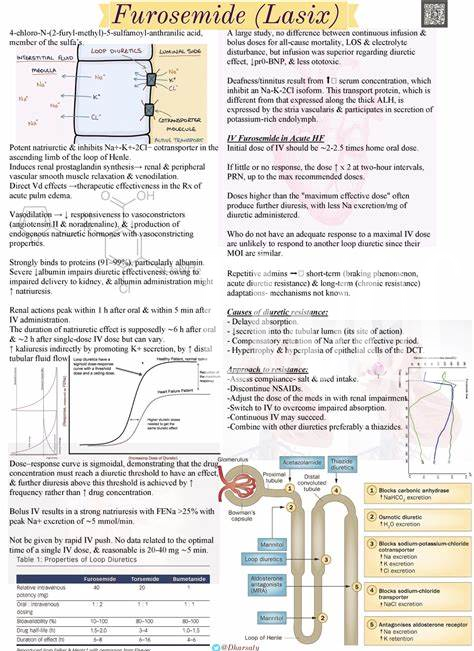
Mechanistically, loop diuretics block sodium reabsorption in the thick ascending limb, forcing natriuresis and diuresis. Rapid fluid loss can cause dizziness, low blood pressure, electrolyte disturbances and acute kidney stress if misused.
Some seek diuretics for short-term cosmetic goals, athletes to “make weight,” or models before shoots. Without medical oversight this practice risks dangerous dehydration, arrhythmias from low potassium, and rebound weight gain once fluids return.
Safer weight loss rests on calorie balance, resistance training and patience; furosemide is a prescription drug for fluid overload, not a diet shortcut. Talk with a clinician before altering medications. Emergency care is necessary for severe symptoms. PubChem Mayo Clinic