
 Colchicine Drug Interactions: What Clinicians Must Know
Key Mechanisms Driving Colchicine Pharmacokinetic Interactions
Imagine colchicine as a narrow river: small changes in the banks dramatically alter flow. Clinically, interactions occur when co prescribed drugs inhibit CYP3A4 or block P glycoprotein, slowing clearance and raising intracellular colchicine. Transporter inhibition and altered hepatic metabolism converge to increase exposure, turning therapeutic doses into toxic ones, especially in older or multimorbid patients.
Recognizing these pathways guides safer choices: avoid potent CYP3A4 or P glycoprotein inhibitors, lower doses when metabolism or excretion is impaired, and reassess polypharmacy frequently. Quick reference:
| Mechanism | Impact |
|---|---|
| CYP3A4 inhibition | increased colchicine levels |
High Risk Drug Classes That Amplify Colchicine Toxicity

Clinicians should beware potent CYP3A4 inhibitors and P-glycoprotein blockers, which can dramatically raise colchicine levels, turning therapeutic doses into toxic ones, especially in elderly patients and during polypharmacy with comorbidities.
Macrolide antibiotics, azole antifungals, HIV protease inhibitors, calcium channel blockers like verapamil, and immunosuppressants such as cyclosporine markedly inhibit metabolism or excretion, multiplying colchicine toxicity risk clinically in high-risk patients.
Combining colchicine with statins or fibrates increases neuromuscular toxicity and myopathy risk, while co-administration with other microtubule inhibitors, like vincristine, can precipitate life-threatening bone marrow suppression and warrant urgent management.
Renal and Hepatic Impairment Dose Adjustment Strategies
When kidney or liver function falters, colchicine clearance drops and standard regimens can become toxic, prompting careful reassessment, especially in older adults.
Start by estimating creatinine clearance and assessing hepatic synthetic markers; reduce dose or extend dosing interval based on severity and concomitant medications.
For moderate impairment a conservative 50% dose reduction or doubled interval is reasonable; severe dysfunction often warrants avoidance or specialist input and frequent review.
Monitor for early toxicity signs and adjust promptly, documenting rationale and discussing risks with patients to ensure safe colchicine use; educate patients.
Recognizing Clinical Signs of Colchicine Overexposure Early
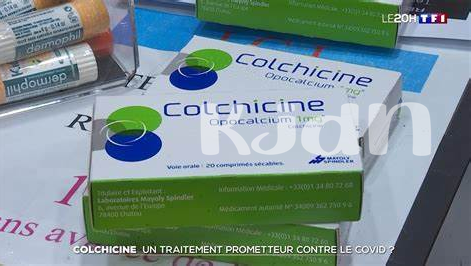
A patient complains of sudden, profuse diarrhea and vomiting after starting colchicine combined with a macrolide; scene feels mundane but is the first alarm. Early toxicity typically begins with severe gastrointestinal distress—abdominal pain, nausea, persistent diarrhea—within 24 hours, often preceding systemic effects. Watch for hypotension, tachycardia, and confusion as absorption escalates; progressive myopathy, paresthesias, and rising creatine kinase herald neuromuscular involvement. Peripheral neuropathy and muscle weakness may develop over days, especially when interacting drugs or renal impairment amplify exposure.
Laboratory clues include leukopenia, thrombocytopenia, lactic acidosis, elevated transaminases, and worsening renal function; ECG changes and arrhythmias reflect cardiotoxic risk. Early recognition demands high suspicion, serial exams, frequent CBC, electrolytes, CK, LFTs, and EKGs. Immediately stop colchicine, provide supportive care, consider activated charcoal if recent ingestion, correct electrolytes, and escalate to ICU when hemodynamic instability, respiratory failure, or marrow suppression emerge.
Practical Prescribing Tips to Avoid Dangerous Combinations
In the busy clinic, a moment’s medication reconciliation can prevent catastrophe: always scan for strong CYP3A4 or P‑glycoprotein inhibitors before prescribing colchicine. Pause to review antifungals, macrolides, certain antivirals and calcium channel blockers, and consider temporary suspension or dose reduction. Use the shortest effective course, document indications clearly, and flag prior adverse reactions. Engage pharmacists — their interaction checks are invaluable. Activate EHR alerts and educate patients about warning signs.
Before starting therapy, calculate creatinine clearance and adjust colchicine dose or interval for renal or hepatic impairment; when in doubt, choose an alternative agent. Counsel patients to report gastrointestinal upset, muscle pain, numbness, or fever immediately. Schedule early follow-up and baseline CBC and liver enzymes in high‑risk patients. If toxicity suspected, stop colchicine, obtain urgent labs, contact poison control, and involve intensive care when systemic signs or multiorgan dysfunction appear.
| Action | When |
|---|---|
| Hold interacting drug | When starting colchicine with a strong inhibitor |
Monitoring Reporting and Managing Colchicine Interaction Emergencies
Act early: when interaction is suspected, stop the offending agent and institute close clinical and laboratory monitoring, including CBC, renal and hepatic panels, and electrolytes. Monitor for progressive gastrointestinal distress, myopathy, neuropathy, and evolving cytopenias; obtain ECG if arrhythmia risk exists. Engage pharmacy and toxicology promptly.
Manage supportively: admit symptomatic patients, provide IV fluids, correct electrolytes, consider activated charcoal early, and use granulocyte colony stimulating factor for severe neutropenia. Hemodialysis is not effective; consult regional poison control and report adverse events to pharmacovigilance systems to guide safer practice and documentation. PubMed review on colchicine MedlinePlus colchicine monograph