
 Artvigil Vs Modafinil: Key Differences Simplified
How Each Drug Works in the Brain
Two wakefulness-promoting agents nudge the brain toward alertness by subtly rebalancing neurotransmitters. Both increase extracellular dopamine through modest blockade of dopamine transporters, but their fingerprints diverge at secondary systems: they also modulate norepinephrine, histamine, orexin, and excitatory glutamate while tamping down inhibitory GABAergic tone to lift cognitive arousal and focus.
One version contains a single active R‑enantiomer, which yields more sustained plasma concentrations and a steadier clinical profile; the other is a racemic mixture combining R and S forms, producing a slightly faster onset but shorter tail. Small pharmacokinetic differences shape subjective timing of benefits.
Brain regions tied to wake drive — the hypothalamic orexin neurons, locus coeruleus, and tuberomammillary nucleus — are indirectly stimulated, supporting attention and motivation without classic stimulant spikes. Clinically, this translates into improved sustained vigilance for many users, though individual receptor sensitivities influence measurable effects.
| Characteristic | R‑enantiomer | R+S Racemate |
|---|---|---|
| Primary pharmacology | DAT inhibition, sustained profile | DAT inhibition, mixed timing |
| Clinical timing | Longer steady effect | Faster onset, shorter duration |
Speed of Onset and Duration of Alertness
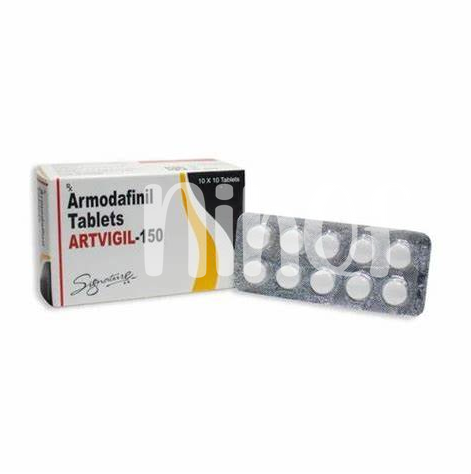
Morning rituals often reveal the difference: modafinil commonly begins lifting grogginess within an hour, producing a clear peak of focus a couple of hours later. Users describe a prompt, noticeable rise in sustained attention daily.
Artvigil, an armodafinil preparation, tends to deliver a smoother launch and a more even plateau. The shift from fog to clarity can feel less abrupt, extending productive windows later into the afternoon for many patients.
Timing and food matter: taking either medication with a heavy meal can delay absorption, while morning dosing aligns peak alertness with work or study. Dosing consistency helps predict when energy will rise and fade gracefully.
Practical takeaway: choose modafinil for a quicker, defined boost when early sharpness is essential; prefer artvigil for steadier, longer coverage that resists afternoon dips. Always tailor timing to personal routines and medical advice for safety.
Typical Side Effects and Tolerability Differences Explained
I felt shift when trying artvigil: alertness arrived without the jitter many report with stronger stimulants. Mild headaches or dry mouth are common, typically fading quickly as the body adjusts.
Others note sleep disruption or heightened anxiety at higher doses, a pattern often with modafinil. Gastrointestinal upset, nausea or appetite changes occur but are generally mild and transient for most.
Consulting a clinician before starting lets you balance benefits versus risks; dose adjustments or switching between artvigil and modafinil often resolve issues, while monitoring ensures safe, tolerable use over time.
Recommended Dosing, Half Life, and Practical Use
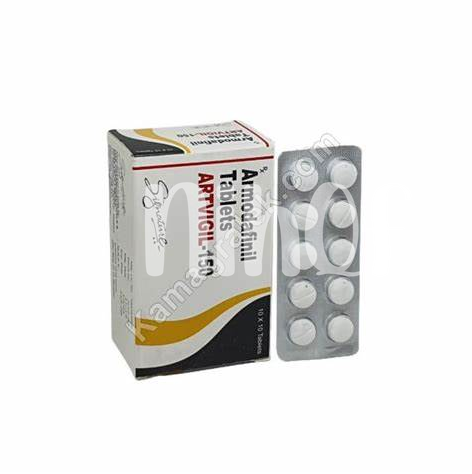
A single morning pill can reshape your day: clinicians usually start conservatively. Many begin with low-dose artvigil to assess tolerance before increasing; gradual adjustment limits jitteriness and sleep disruption.
Onset varies—some feel sharper focus within an hour, while peak effects last several hours. Know timing to schedule work blocks and avoid late doses that impair sleep.
Half-lives show how long residual stimulation lingers; longer half-lives raise insomnia risk, shorter ones allow flexible napping. Consider this when planning a demanding day.
Practical use blends medical advice with routine: start low, track mood and sleep, and adjust timing rather than dose when possible. Discuss use and interactions with your provider to keep benefits high and risks low.
Legal Status, Availability, and Cost Comparisons
Regulatory frameworks differ worldwide: modafinil often requires a prescription and is controlled in many countries, while generics like artvigil may sit in gray areas where laws vary by jurisdiction.
Availability depends on local rules and pharmacy supply chains; some clinics and hospitals dispense the brand, others stock generics, and online vendors can bridge access but carry legal and quality risks.
Cost contrasts are usually significant: branded products command higher prices, generics reduce expense substantially, and bulk purchases or international pharmacies often lower per‑tablet costs.
Practical buyers should confirm legal status locally, prefer licensed pharmacies, check batch testing and reviews, and consult healthcare professionals before choosing artvigil or other wakefulness agents. Prices fluctuate with supply, exchange rates, and shipping fees.
| Product | Access | Typical cost |
|---|---|---|
| Modafinil (brand/generic) | Prescription common; regulated | Higher per tablet |
| Armodafinil (artvigil) | Generic widely sold online | Lower but variable |
Choosing Right Option: Who Benefits Most from Each
For people needing steady, long-lasting wakefulness—such as night-shift workers or those with severe daytime sleepiness—armodafinil (Artvigil) often fits better due to its longer, later peak of action. Its steady profile helps maintain alertness through extended shifts.
Modafinil may suit users who want a quicker onset and more flexible dosing—students, professionals facing variable days, or people trying to fine-tune effects for cognitive tasks. Its slightly shorter half-life can reduce late-night interference.
Side-effect sensitivity guides choice: those prone to insomnia or anxious reactions might prefer modafinil for its earlier decline, while individuals who tolerate stimulant-like effects but need sustained focus often favor armodafinil. Always start at low dose.
Consult a clinician to match goals, medical history, and interactions; decisions hinge on safety, dose tailoring, timing, and lifestyle. For evidence and prescribing information, see PubChem Armodafinil and NLM Drug Portal for clinical context.